

Kindergarten Readiness: The Everyday Skills That Matter
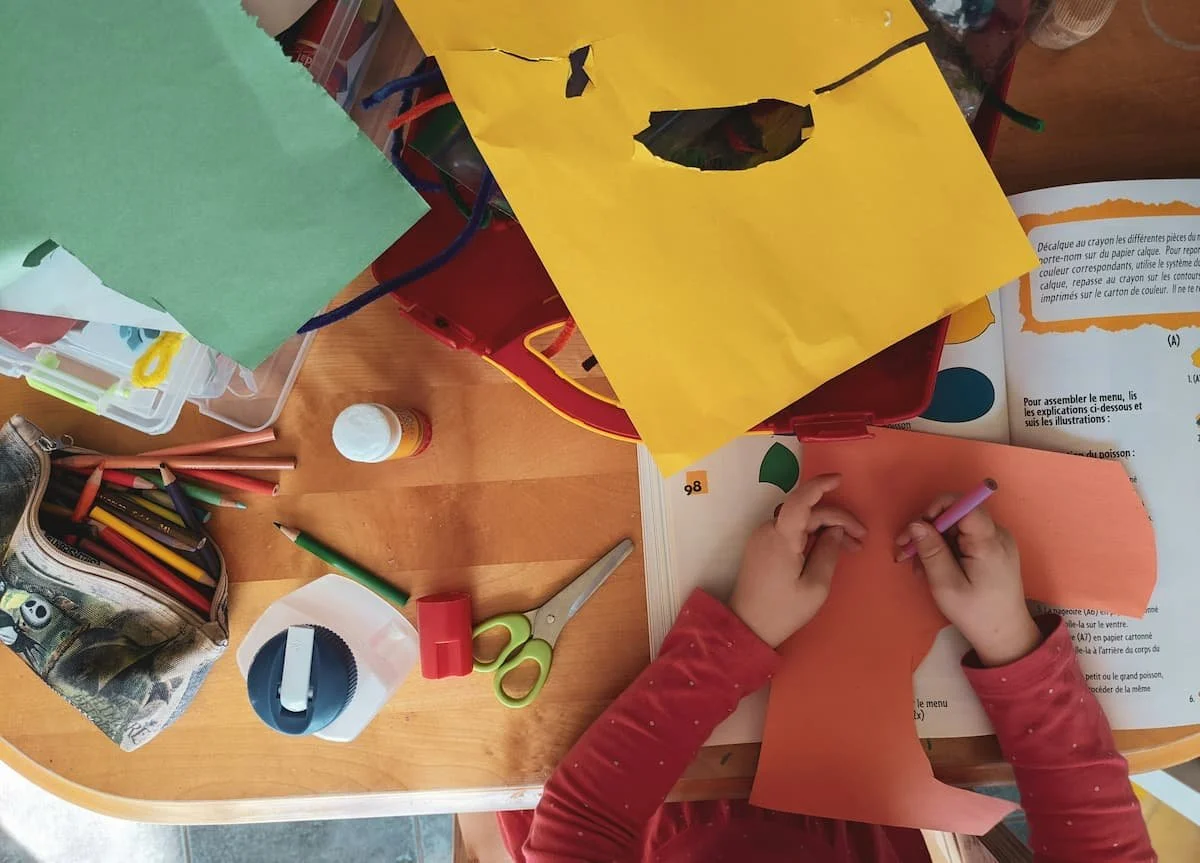
When we think about getting a child ready for kindergarten, we often focus on letters, numbers, writing their name, and knowing their ABCs.
Those skills are important, but they aren't the whole picture.
Starting school also means navigating new routines, managing clothing and lunch containers, using classroom tools, moving through a busy environment, communicating needs, and participating in play and learning.
Kindergarten readiness is about more than what a child knows. It's also about how they can participate, communicate, and access their school environment.
Every child develops these skills at their own pace. The goal isn't for your child to do everything independently or perfectly before the first day. It's about understanding their strengths, supporting their needs, and helping them feel confident and successful.
1. Self-Care and Everyday Independence
Once children start school, they're often expected to participate in more of their own personal care.
Can your child:
Put on and take off a jacket?
Manage buttons, zippers, or snaps?
Put on and take off their shoes?
Participate in toileting and managing clothing?
These tasks require fine motor skills, coordination, motor planning, and sequencing.
Your child doesn't need to do every task independently. Knowing what support they need is just as valuable as knowing what they can do on their own.
*Download our free guide and learn how sensory needs and emotional regulation shape your child's behavior—and discover practical ways to better understand, support, and connect with them every day.
2. Opening Lunch Containers and Managing Mealtime
One of the most overlooked school-readiness skills?
Being able to access the lunch you packed.
Lunchboxes, water bottles, snack bags, and containers can require more hand strength and coordination than we realize.
It can be helpful to practice:
Opening and closing containers
Using utensils
Opening water bottles
Managing snack packages
Cleaning up after eating
Try practicing with the actual containers your child will use at school. Familiarity can make a new routine feel much more manageable.
And remember, asking for help is an important school-readiness skill, too.
3. Strength, Coordination, and Movement
School requires children to use their bodies in many different ways. They may sit at a table, sit on the floor, carry a backpack, navigate the classroom, use playground equipment, and move between activities.
These activities require skills such as postural stability, core strength, balance, coordination, and body awareness.
You don't need to turn this into a workout. Climbing, crawling, jumping, balancing, playing on the playground, riding a bike, and active games all provide opportunities to build these skills through play.
4. Fine Motor and Visual Motor Skills
Yes, handwriting matters. But there's much more to school-based hand skills than holding a pencil.
Children use their hands to:
Cut with scissors
Color and draw
Use glue
Manipulate classroom materials
Build with blocks and manipulatives
Open containers
Copy shapes and letters
These activities rely on fine motor and visual motor skills, which develop through opportunities to play, create, and explore.
The goal isn't perfect handwriting on the first day of kindergarten. It's helping your child access classroom activities in a way that works for them.
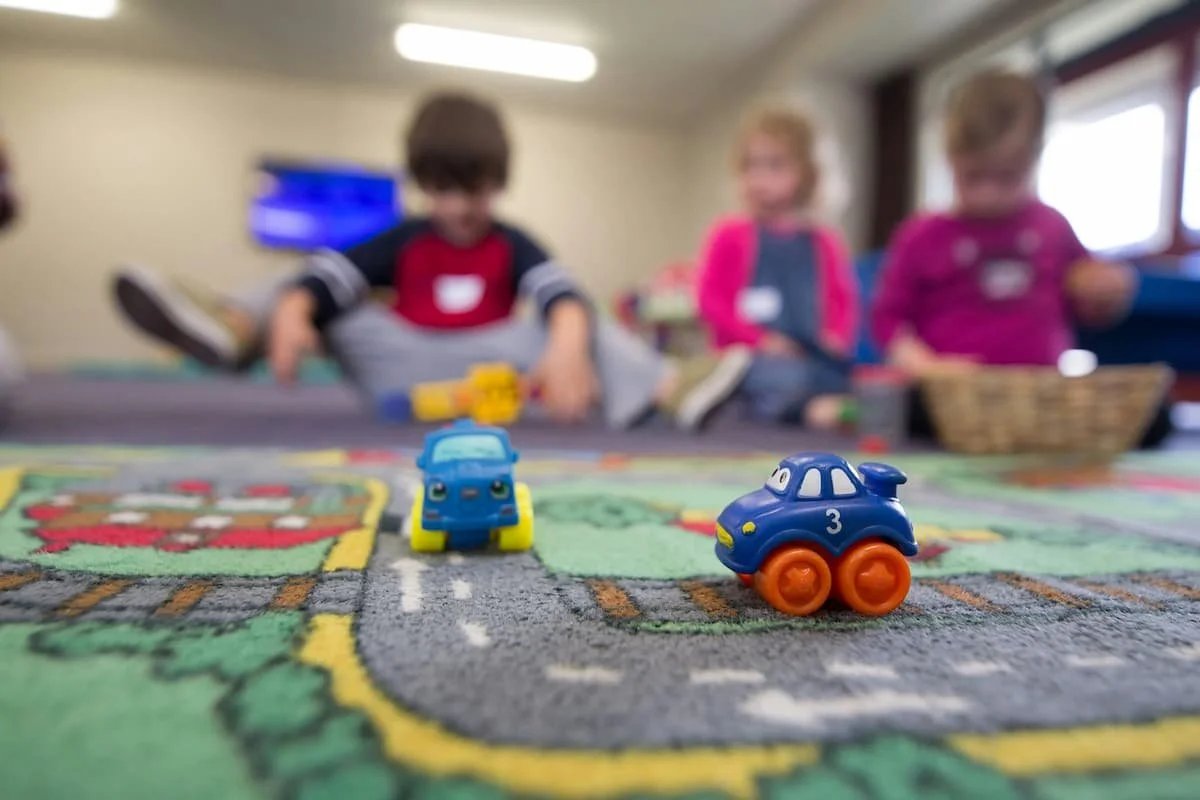
5. Routines, Transitions, and Sensory Needs
A school day is full of transitions: clean up, line up, get supplies, go to the bathroom, move to the next activity, listen to directions, and pack up.
Being able to anticipate routines, follow familiar sequences, and transition between activities can support participation throughout the day.
School can also be a busy sensory environment with lots of voices, movement, unexpected sounds, crowded spaces, and constant transitions.
Children don't need to be comfortable with every sensory experience. They may benefit from support, accommodations, and strategies that help them participate in an environment that doesn't always meet their sensory needs.
You can practice routines at home through visual supports, simple reminders, and opportunities for your child to gradually take on more when they're ready.
A Simple School Readiness Check
Your child doesn't need to have every skill mastered before starting school. Use this as a way to notice areas where your child may benefit from a little more practice, support, or preparation.
Can my child...
☐ Participate in managing their jacket and shoes?
☐ Access their lunchbox, containers, and water bottle?
☐ Participate in toileting and managing their clothing?
☐ Use scissors, crayons, glue, and other classroom tools with appropriate support?
☐ Participate in a short tabletop activity?
☐ Follow a familiar multi-step routine with support?
☐ Transition between activities with support?
☐ Participate in playground activities in a way that feels comfortable for them?
☐ Communicate when they need help?
☐ Participate in a busy classroom environment with appropriate supports?
If some of these skills are still developing, that's okay.
There is no single checklist that determines whether a child is “ready” for school. Children enter kindergarten with different strengths, needs, communication styles, sensory preferences, and levels of independence.
Kindergarten Readiness Isn't About Doing Everything Perfectly
Starting school doesn't mean your child needs to have every skill mastered.
The goal isn't perfection or making your child fit a certain mold. It's making sure they have the support they need to access, participate in, and enjoy their school experience.
If you're wondering where your child may need support, you don't have to figure it out on your own.
A pediatric OT can look at the whole picture, including motor skills, self-care, visual motor abilities, sensory processing, regulation, and participation, to help identify your child's strengths and areas where additional support may be helpful.
Kindergarten readiness isn't about being ready to do everything on your own. It's about having the skills, supports, and confidence to participate in your own way.
*Download our free guide and learn how sensory needs and emotional regulation shape your child's behavior—and discover practical ways to better understand, support, and connect with them every day.